
Editing Chamber Music Recordings Without Losing Character
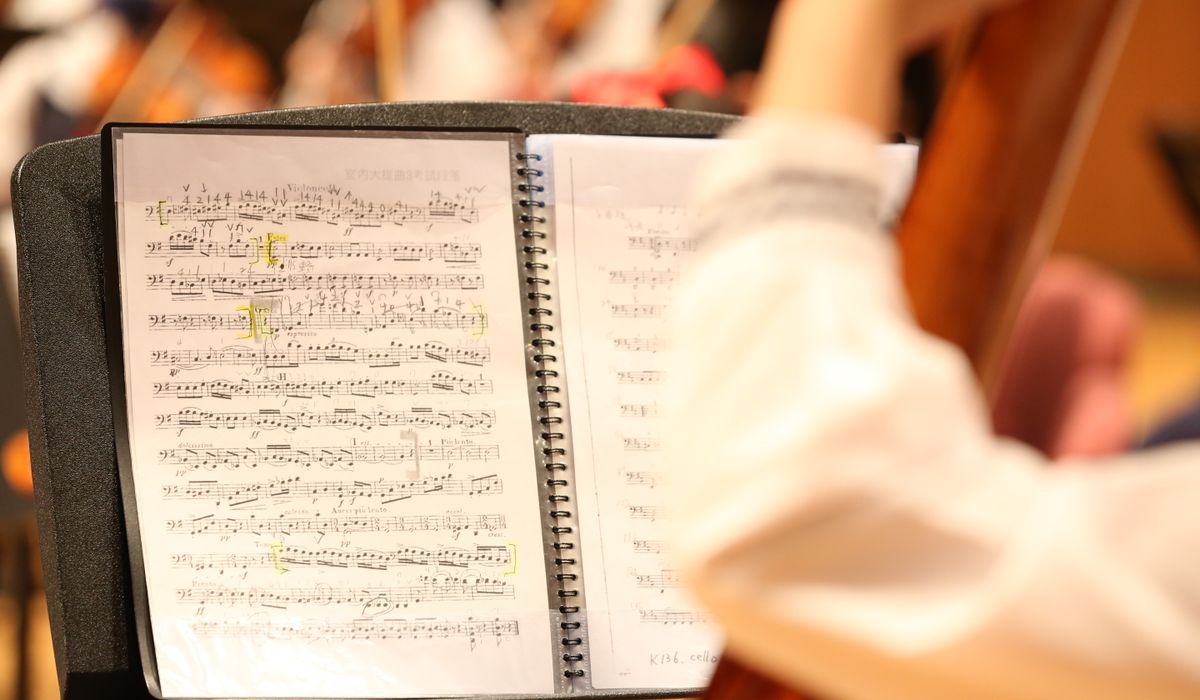
The delicate balance of editing chamber music
Chamber music is a conversation between equals. Without a conductor, a string quartet or piano trio negotiates tempo, balance, and phrasing in real time. That interplay is precisely what makes the music alive. When you edit a recording of such a performance, your job is not to perfect it into something sterile, but to protect the character that made it worth capturing. Every decision—whether to repair a wrong note, nudge a timing discrepancy, or leave a rough edge alone—should serve that goal.
When a wrong note deserves repair – and when it doesn't
Not every wrong note is a mistake worth fixing. A note that breaks the harmony or draws the ear away from the musical line is a clear candidate for repair. A note that is slightly out of tune but part of an expressive phrase is often better left alone. Ask yourself: does this moment distract from the music, or does it add a human touch? If you can hear the error on a casual listen, it probably needs attention. If you only notice it when scrutinising the score, leave it.
- Repair obvious wrong pitches that clash with the harmony or disrupt a melodic line.
- Repair intonation issues that persist and make the ensemble sound unsettled.
- Leave slight pitch bends, portamenti, or microtonal inflections that are clearly expressive.
- Leave a note that is technically wrong but rhythmically and dynamically convincing—sometimes a “wrong” note is the right one.
When you do repair, try to use a patch from the same take or a take with similar timing and dynamics. A note edited in from a different performance can stick out because the ensemble’s internal balance has shifted.
Preserving natural ensemble timing
Chamber musicians breathe together. They push forward in exciting passages and hold back in tender ones. That push and pull is not sloppiness—it is the sound of shared decision-making. If you quantise or align every note to a grid, you kill that. Avoid time-stretching to fix small ensemble discrepancies; it often creates unnatural artefacts and stiffens the groove. Instead, accept micro-timing differences. A few milliseconds of asynchrony between violin and cello is normal and musical.
If a timing issue truly disrupts the performance—say, a late entrance that throws off a phrase—nudge it by the smallest amount possible. Use volume automation to balance instruments rather than moving notes. And never edit timing across a breath or a rest; those are natural seams where the ensemble resets.
Why too many edits flatten a lively performance
The biggest danger in editing chamber music is over-editing. When you comp together every bar from different takes, you create a patchwork. Each take has its own tempo, dynamic shape, and emotional arc. Splicing them can produce unnatural transitions, phase issues, and a loss of room tone. More importantly, you remove the risk and spontaneity that make chamber music thrilling.
A performance with a few rough edges but a coherent spirit will always move a listener more than a technically flawless one that feels assembled. The ear forgives a wrong note far more readily than it forgives lifelessness. Too many small corrections can also create a “flattened” dynamic range, because you keep choosing safe, similar-sounding moments. The result is a recording that sounds careful but never takes flight.
Practical strategies for keeping character in the edit
- Choose a reference take that captures the best overall performance, even if it has minor flaws. Build your edit around that.
- Work in long phrases, not single notes. Listen to the whole musical sentence before deciding to patch.
- Place edits at natural breaks—breaths, rests, or cadences—so the splice is invisible.
- Use long crossfades to blend takes, and avoid editing within a sustained note or a fast run if you can.
- Correct pitch gently with subtle tuning tools, not hard correction. Preserve vibrato and expressive intonation.
- Take breaks to reset your ears. Fatigue makes you fix things that don’t need fixing.
Also, keep the original performance in mind. If you find yourself making dozens of edits in a single phrase, stop. That is a sign you should consider using a different take instead of forcing a patchwork.
Trusting the performance
The best chamber music edits are the ones you never notice. Your role is not to make the ensemble perfect, but to remove only what genuinely obstructs the music. Protect the natural timing, the expressive intonation, and the shared risk that defines the genre. When in doubt, listen to the whole movement and ask whether your edit serves the conversation or silences it. A recording with character will outlive one that is merely correct.


Ideas for balancing familiar masterpieces with new discoveries, planning key relationships and keeping audiences curious across a multi-concert season.
How seating arrangements, music stands and lighting influence communication on stage and what to check before the audience arrives.
Simple games and recordings that train players to hear inner parts, adjust dynamics and recognise when a chord is perfectly tuned.
From libraries to art galleries, learn how to adapt programmes, seating and acoustic expectations for non-traditional venues with limited facilities.