
How to Build Balanced Dynamics in a String Quartet
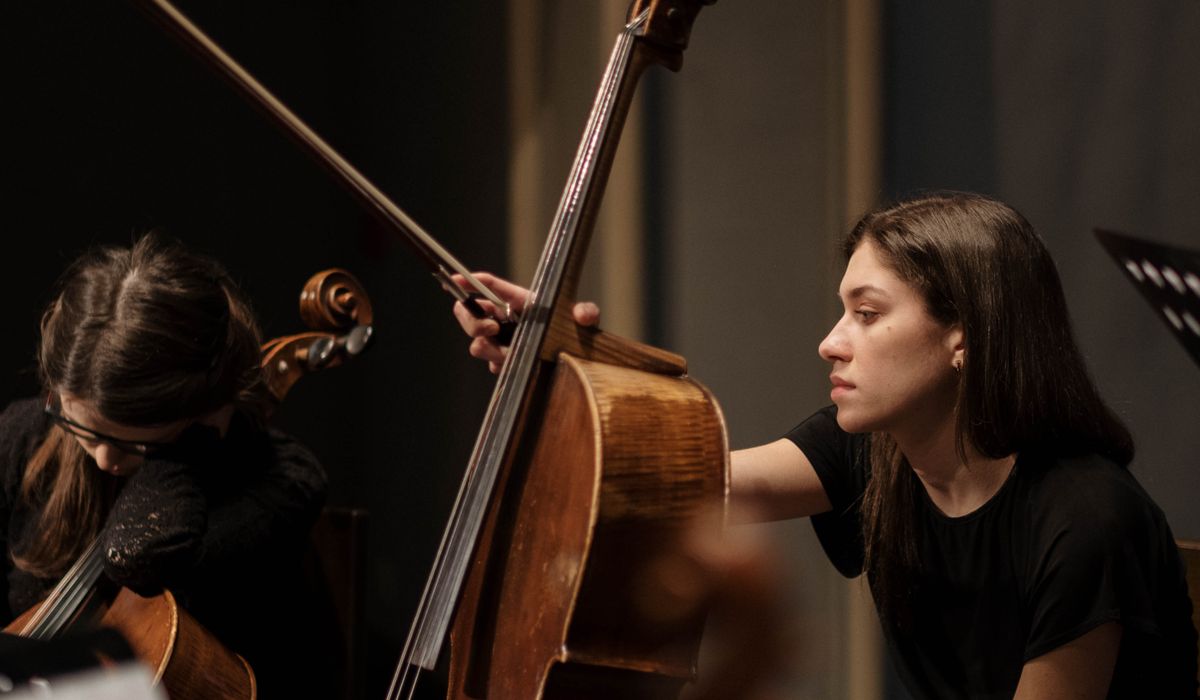
Balance is a tone problem before it is a volume problem
Most balance troubles in a quartet are not caused by someone playing too loudly. They come from two players producing different qualities of sound at the same dynamic. A viola digging in with a slow, heavy bow and a violinist skimming with a fast, light one will never blend, however carefully they count. Before anyone says "can you play that softer?", check the sound itself: bow speed, bow weight, contact point and vibrato width. Those four variables do more for quartet balance than any amount of shushing, and they are far kinder on the players.
Match bow speed first, then the dynamic
Begin rehearsal with this. Choose a comfortable dynamic, say mezzo-forte, and ask all four players to play a long note for eight slow bows, in unison where ranges allow. Do not count aloud. Just listen.
- Notice who runs out of bow first. That player is usually using more weight and less speed, which reads as effort rather than volume.
- Notice whose sound has a core and whose is breathy. Breathiness usually means the bow is drifting towards the fingerboard or travelling too slowly.
- Swap accordingly: the player who ran out of bow should lighten and speed up; the breathy player should move a fraction towards the bridge.
Repeat until four sounds merge into a single ribbon of tone. Ten minutes spent here pays for itself across the whole week, and it trains the ear to hear blend rather than individual volume.
Build a shared dynamic vocabulary
Quartets tend to carry four private versions of piano. Fix that with a ladder exercise. One player plays a note; the others match it exactly, then the group steps up and down together through six gradations, naming each one. Agree in words what each level means: "our piano is clearly audible at the back of the hall but has no edge; our forte fills the space without turning hard."
Write the agreement down in your parts and revisit it monthly. Remember that dynamic markings have different widths: a piano in a slow movement allows more sound than a piano in an allegro, because the ear compensates for tempo. Crescendos need a shared destination too. Decide the bar where you arrive, and rehearse it three times with different bow distributions until the arrival feels inevitable rather than accidental.
Decide who owns the line
Before shaping anything, agree on the hierarchy of each phrase, bar by bar if necessary. In quartet writing the roles are usually melody, counter-melody, harmonic filler and bass. Pencil M, C, H or B into your parts. This sounds pedantic and takes fifteen minutes; it saves weeks of vague disagreement.
Then test it. The drop-out exercise works like this: the melody plays alone, and the others add one voice at a time. Each time a new voice enters, the balance of the melody as heard from across the room must not change. If it does, that voice adjusts. Rotate the roles as well — anyone playing filler must still be able to hear the tune clearly, and if they cannot, the fault usually lies with the melody player's articulation, not their volume.
Shaping inner lines without covering the melody
The second violin and viola live in the most dangerous register in the quartet: directly underneath the first violin's lower range and directly above the cello's tenor. A few specific remedies:
- Shift the contact point. Inner lines played slightly closer to the fingerboard acquire a softer grain and sit behind the melody without losing presence.
- Narrow the vibrato rather than the volume. Reducing width and speed blends the sound while keeping it alive; simply playing softer often makes the line dull.
- Lighten the ends of phrases. Inner-line cadences are the single biggest culprit for covering a melody's resolution.
- Cellists in the tenor register should think of drawing the bow across the string rather than into it, and take a little less bow weight than feels natural.
- Delay the inner crescendo. If the middle voices arrive at their peak a beat after the melody, the melody still leads.
Rehearsal habits that keep balance honest
Your own ears sit inside the sound and cannot be trusted. Use these regularly:
- Record from the back of the room and listen once without comment, then discuss.
- Ask a listener to stand at the far end and raise a hand whenever the melody disappears.
- Rotate seating occasionally, letting the second violinist sit in the first chair. Everyone hears the texture differently afterwards.
- Run a passage at a low dynamic and then at performance level: balance that works quietly often collapses when the group opens up.
- Rehearse in the actual venue if you can. Dry rooms hide balance problems; resonant ones exaggerate them.
None of this is glamorous work, and none of it happens quickly. But a quartet that has genuinely agreed on bow speed, dynamic language and line ownership plays with a confidence the audience can hear immediately — and rehearsals become conversations about music rather than negotiations about volume.


Breathing routines, pre-concert warm-ups and mental strategies that help small ensembles perform with confidence and communicate clearly from the first downbeat.
Why slowing down reveals tuning issues, how to use drones and intervals, and ways to build reliable intonation without losing musical momentum in rehearsals.
What players should listen for during sound checks, from reverberation time to seating layout, and how to adapt balance for intimate village halls and historic rooms.
Key steps for organising local concerts, including venue booking, volunteer coordination, artistic programming and audience outreach that builds lasting support.