
Exploring Lesser-Known Works for Wind Quintet
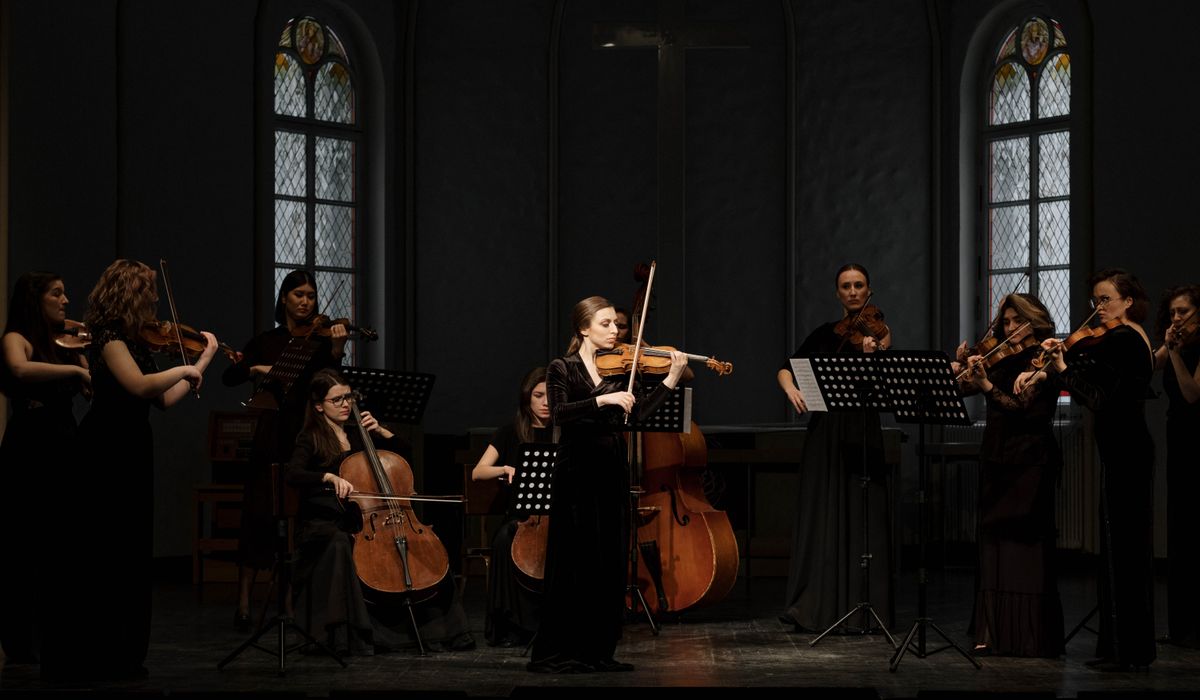
For many wind quintets, the repertoire can feel like a well-worn path: Nielsen, Hindemith, Françaix, Ibert, Ligeti, and perhaps a dash of Barber or Arnold. These works are beloved for good reason, but there is a vast, delightful world of lesser-known quintets waiting to be explored. Whether you are planning a concert season, a recording project, or simply want to refresh your weekly rehearsal, venturing off the beaten track can reignite your ensemble’s joy and curiosity.
Why Look Beyond the Standard Canon?
Standard works offer reliability, but they can also breed complacency. Lesser-known quintets often demand a different kind of listening: more flexible phrasing, unusual blends, and a willingness to discover new colours. They also give audiences a sense of adventure. Many are technically accessible yet musically rewarding, and they sit beautifully alongside the classics. Programming one unfamiliar piece per concert can transform a routine programme into a conversation starter. The key is to choose works that suit your ensemble’s strengths and to rehearse them with the same care you would give to a Beethoven symphony.
Five Lesser-Known Quintets Worth Your Time
- Paul Taffanel: Wind Quintet in G minor (1878) – Often called the first true wind quintet, Taffanel’s work is elegant, lyrical, and superbly written for the instruments. Listen for the flowing opening theme and the charming interplay between flute and clarinet in the second movement. The horn’s mellow solos in the third movement are a particular delight. Rehearsal tip: balance the opening’s filigree passages so the bassoon’s countermelodies are not swallowed.
- Pavel Haas: Wind Quintet, Op. 10 (1929) – A gem of the Czech repertoire, full of folk-inflected rhythms and bittersweet harmonies. The first movement’s driving energy gives way to a haunting slow movement. Listen for the unexpected unison passages and the way Haas uses the horn as a unifying voice. Rehearsal tip: clarify the rhythmic interplay in the lively finale; a shared sense of pulse is essential.
- Ruth Gipps: Wind Quintet, Op. 16 (1956) – Gipps’s music is melodic, rhythmically vital, and deeply English in character. The opening movement has a pastoral warmth, while the scherzo bristles with wit. Listen for the oboe’s plaintive solos and the inventive use of muted horn. Rehearsal tip: aim for a transparent texture; don’t let the inner parts obscure the solo lines.
- Ferenc Farkas: Antiche danze ungheresi (Early Hungarian Dances) (1958) – A set of five short pieces based on 17th-century dances. Each movement is a miniature character study, from the stately Intrada to the energetic Ugrós. Listen for the rustic charm and the clever imitation of folk instruments. Rehearsal tip: exaggerate dynamic contrasts and articulations to bring out the dance character.
- Heitor Villa-Lobos: Quintette en forme de choro (1928) – A vibrant, Brazilian-inflected work that blends choros with contrapuntal sophistication. Listen for the syncopated rhythms, the lyrical flute lines, and the bassoon’s percussive contributions. Rehearsal tip: embrace the rhythmic freedom while maintaining a steady underlying pulse; let the music breathe.
Rehearsal Tips for Unfamiliar Scores
When learning a lesser-known work, resist the urge to treat it as a sight-reading exercise. Assign a movement per week and encourage individual practice with a metronome. Use a piano to check tricky harmonies, especially in works with dense chromaticism. For rhythmic complexity, break passages into smaller cells and loop them slowly before restoring the tempo. Record your rehearsals and listen back with a critical ear: are the unisons truly in tune? Is the balance consistent? In unfamiliar textures, blend is often the biggest challenge, so spend time matching vibrato, articulation, and dynamics. Finally, research the historical context. Knowing that a piece was written for a specific occasion or influenced by folk music can unlock a more authentic interpretation.
Programming and Presentation
How you present these works matters as much as how you play them. Pair a lesser-known quintet with a standard crowd-pleaser, placing the unfamiliar piece second on the first half. A short spoken introduction from the stage can work wonders: highlight one or two things to listen for, and keep it under a minute. Create a theme, such as Dances and Folksongs or Hidden Gems from the Twentieth Century, to give the programme coherence. In your printed notes, avoid dense analysis; instead, offer vivid images and practical listening pointers. For recordings, consider releasing a single of a lesser-known work alongside a well-known companion piece. Smaller venues suit these intimate works beautifully, so don’t be afraid to programme them in a church, gallery, or community hall.
Keeping the Spark Alive
Exploring lesser-known repertoire is not just about novelty; it deepens your musicianship and strengthens your ensemble’s bond. Encourage each member to bring a score they love to a rehearsal once a month. Set aside a reading session for new pieces, with no pressure to perfect them immediately. The wind quintet repertoire is far richer than many realise, and there is a special pleasure in championing a work that deserves a wider audience. So next time you plan a programme, take a chance on that dusty score you have been meaning to try. Your audience – and your own playing – will thank you for it.


Balancing rhythmic precision with musical flexibility, plus exercises that help groups internalise pulse without becoming mechanical during performance.
Practical considerations for performing in churches, including heating, lighting, seating, refreshments and respectful use of historic buildings and community spaces.
How to frame a convincing application, match funders' priorities and present a realistic budget for concerts, tours and educational workshops.
String types, tensions and rosin choices affect blend and response; compare options for violins, violas and cellos in different acoustics.