
The House Always Wins? Not If You Understand Variance
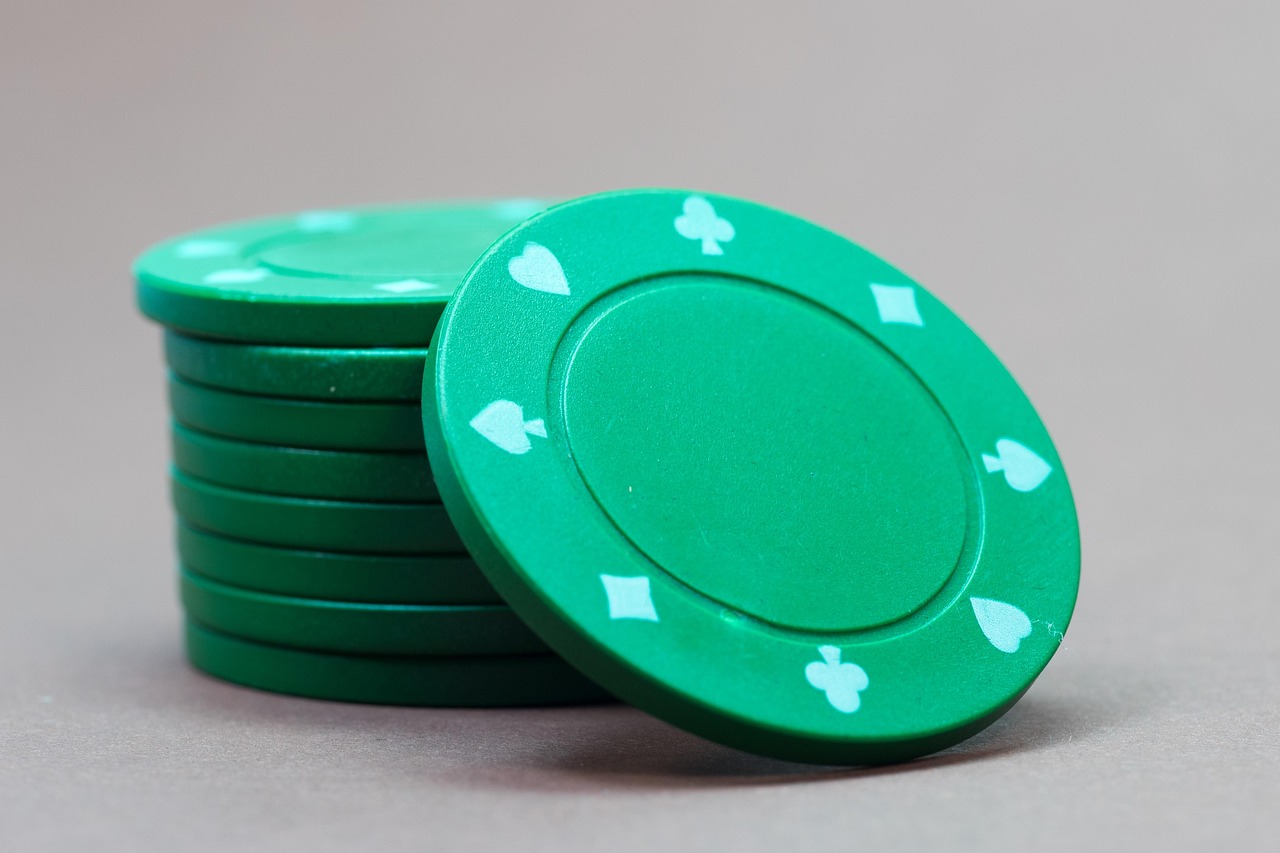
Every gambler remembers their first bad beat. Maybe it was a river card that gutted your flush draw, or a slot session where the bonus feature never triggered despite hundreds of spins. In that moment, it's tempting to believe the game is rigged, the algorithm is out to get you personally, or the casino has somehow singled you out. It hasn't. What you experienced has a name—variance—and understanding it is the single most valuable thing you can do as an iGaming player.
Variance is the statistical measure of how results deviate from the expected average over time. In casino games, it's the reason you can win fifteen hands of blackjack in a row and also the reason you can lose twenty. It's not magic, and it's not luck in any mystical sense. It's math doing exactly what math does, and once you grasp it, you'll approach every game differently.
Why the Short Term Lies to You
Here's a concrete example from the slot world. Imagine a machine with a 96% return-to-player rate. Over ten million spins, you can bet your bottom dollar the actual payout will land within a fraction of a percentage point of that 96%. That's the long run. The short run—the ten, fifty, or two hundred spins you actually play—can look like anything. You might hit a 500x multiplier on spin three, or you might burn through your entire balance without seeing a single bonus.
This is why experienced players talk about session size and time-on-device rather than chasing specific outcomes. Slot volatility matters enormously here. A low-volatility slot pays small amounts frequently, keeping your balance relatively stable. A high-volatility slot might pay nothing for 400 spins, then deliver a massive win. Neither is better or worse in terms of return-to-player; they simply distribute the same long-term expectation differently across time.
Table games have the same dynamic. A blackjack player using basic strategy faces a house edge of roughly 0.5%. That means, mathematically, for every $100 wagered, they lose about fifty cents on average. But in a single session of 200 hands at $10 each, they might win or lose several hundred dollars. The edge only asserts itself over thousands of hands, and most recreational players never play enough hands for it to matter in practical terms. They're living entirely in the variance.
The Mental Game: Tilt, Chasing, and Decision Fatigue
Poker players were the first to seriously study tilt—the emotional state that leads to bad decisions after a difficult loss. It's the moment you start playing hands you'd normally fold, or quadrupling your bet size to "win it back." Slot players experience it too, frantically spinning faster after a dry streak. Sports bettors chase by doubling down on increasingly unlikely parlays.
The problem with chasing is that it converts variance from a natural phenomenon into a management failure. You can't control which cards come, which numbers hit, or which bonus feature triggers. You can control:
- Your bet size relative to your bankroll. A common guideline is that a single session should represent no more than 5–10% of your total iGaming budget. If a slot's minimum bet is $1 and you have $50, that's 50 spins—probably too few to even see the variance play out.
- Your stop-loss and stop-win thresholds. Deciding in advance that you'll quit at $80 up or $60 down removes emotion from the exit decision. It's clinical, boring, and genuinely effective.
- Your session length. Fatigue degrades judgment. After 90 minutes of intense focus, most people make objectively worse decisions. Set a timer.
Poker: Where Skill Compounds but Variance Still Rules
Poker occupies a fascinating middle ground. Unlike pure casino games, a skilled player can achieve a positive expected value—a real, sustainable edge over weaker opponents. But that edge is tiny compared to the variance. A professional player with a 5bb/100 win rate (five big blinds per hundred hands) will still endure losing sessions, losing weeks, even losing months. The math says they win in the long run, but the long run might be 100,000 hands.
This is why bankroll management is non-negotiable for serious poker players. Conventional wisdom suggests having at least 20 buy-ins for cash games and 100 buy-ins for tournaments—not because you'll lose that much, but because variance demands a cushion deep enough to absorb the worst realistic downswing. Without it, you go broke before your edge can express itself. Take a look at สล็อตออนไลน์ for a fuller picture.
The best poker players aren't the ones who win every session. They're the ones who acknowledge variance openly, review their decisions separately from their results, and refuse to let short-term outcomes dictate their strategy.
Practical Takeaways for Casino, Sports, and Slots Players
Whether you're spinning reels, betting on football matches, or grinding micro-stakes cash games, a few principles apply universally:
- Track your sessions. Log dates, game types, bet sizes, duration, and net result. Over 20–30 sessions, patterns emerge that gut feeling will never catch—like the fact that your Monday night online blackjack habit is consistently your worst performer.
- Play games with a low house edge if you care about longevity. Blackjack with basic strategy (0.5%), baccarat banker bet (1.06%), and certain video poker variants (under 1%) offer dramatically better value than keno (25–35%) or most slot machines (2–10%).
- Use bonuses correctly. A 100% deposit match with a 30x wagering requirement on slots effectively still favors the house unless you play low-margin games and treat it as entertainment rather than income. Read the terms, calculate the actual value, and decide whether it's worth your time.
- Separate entertainment money from real money. The moment you're gambling funds you need for rent, you've left variance behind and entered the realm of poor decisions. No mathematical model can fix that.
Accepting the Uncontrollable
The older I get and the more I play, the more I realize that the emotional rollercoaster of gambling comes almost entirely from resisting variance. You want the slot to pay now. You want the dealer to bust. You want the underdog to cover the spread. The universe, indifferent to your desires, simply rolls the dice.
But something interesting happens when you truly internalize how variance works. The wins feel slightly less euphoric—tempered by the knowledge that they could just as easily have gone the other way—and the losses sting far less. You start seeing each session as one data point in a massive distribution rather than a verdict on your intelligence, luck, or worth. That shift doesn't make gambling less fun. If anything, it makes it more sustainable. You play longer, tilt less, and enjoy the ride instead of fighting the current.
The house always wins in the long run for most casino games. That's a mathematical certainty built into the rules. But variance means you can absolutely win tonight, this week, even this month. Knowing the difference between short-term noise and long-term signal is what separates a player who burns out from one who actually enjoys the game.


Breathing routines, pre-concert warm-ups and mental strategies that help small ensembles perform with confidence and communicate clearly from the first downbeat.
Why slowing down reveals tuning issues, how to use drones and intervals, and ways to build reliable intonation without losing musical momentum in rehearsals.
What players should listen for during sound checks, from reverberation time to seating layout, and how to adapt balance for intimate village halls and historic rooms.
Key steps for organising local concerts, including venue booking, volunteer coordination, artistic programming and audience outreach that builds lasting support.