
The House Always Wins? Why Smart iGaming Players Still Beat the Odds
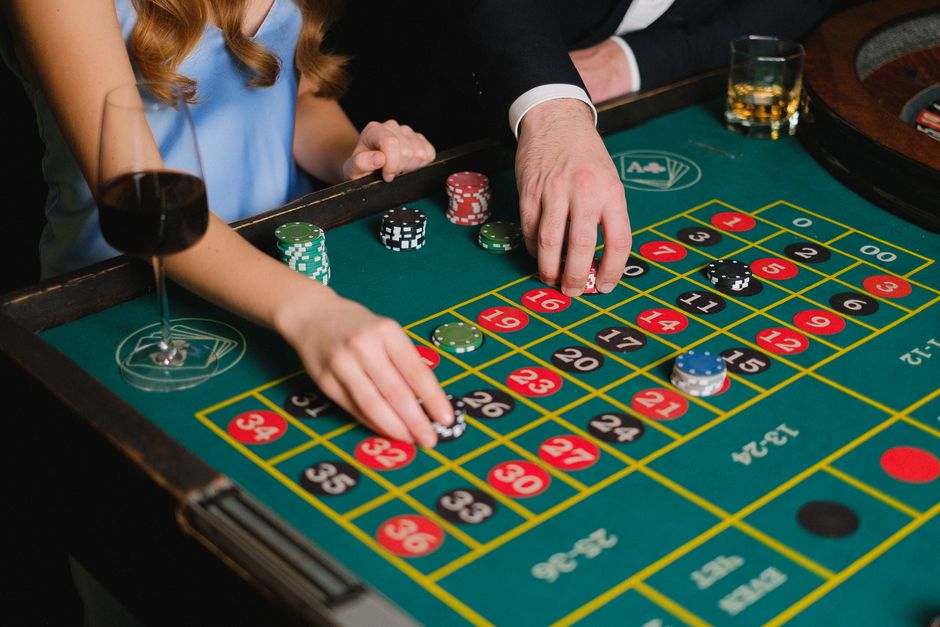
There's a moment every gambler knows. The reels slow down, the last card flips, the roulette ball settles into a pocket — and in that half-second, anything feels possible. That little jolt of dopamine is exactly why the iGaming industry is worth north of $100 billion globally and why millions of people open a casino app before they even finish their morning coffee. But here's the uncomfortable truth most affiliates won't tell you: the difference between the players who cash out and the ones who reload is rarely luck. It's understanding the math behind the game.
Whether you're spinning slots at 3 a.m. or grinding $1/$2 poker tables on a Tuesday afternoon, the same principles apply. Let's break down what actually matters in iGaming, betting, and casino play in 2024 and beyond.
The RTP Conversation Nobody Wants to Have
Every slot machine, video poker game, and digital table has a Return to Player percentage. This is the theoretical amount of all wagered money that gets paid back to players over millions of spins. A 96% RTP slot keeps 4% for the house. Simple, right? Except most players ignore it entirely and pick games based solely on how shiny the bonus wheel looks.
Here's where it gets interesting. Online slots usually run between 94% and 97% RTP, while land-based casino slots frequently sit closer to 85–92%. That gap matters enormously over hundreds of sessions. A $500 bankroll played on a 96% RTP game will, on average, lose about $20 per full turnover cycle. The same bankroll on an 88% machine bleeds $60. Multiply that across a year and you're looking at thousands in difference.
- Always check the RTP in the game's info panel — reputable providers publish it.
- Compare slots from studios like NetEnt, Pragmatic Play and Push Gaming, which often publish 96%+ versions.
- Watch for "RTP ranges" — some operators run lower configurations of the same game.
Volatility is the other half of the coin. A high-volatility slot like Money Train 4 might pay 50,000x your stake, but you could sit through 500 dead spins first. Low-volatility games like Starburst pay smaller, more often. Neither is better — they just fit different bankroll strategies.
Sports Betting: Where the Sharp Money Actually Goes
If slots are pure math, sports betting is math plus information. The betting markets — Pinnacle, Betfair Exchange, and the big soft books like DraftKings and FanDuel — price events based on probabilities. Your job is to find where they've mispriced something.
The concept of Expected Value (EV) is the entire game. A +150 underdog that you believe has a 45% chance of winning has a positive EV of about 12.5% per bet. A -200 favorite you think wins 60% of the time has a negative EV. Profitable bettors don't care about most picks — they care about the price.
Practical tips serious bettors use: Take a look at สล็อตเว็บตรง for a fuller picture.
- Line shop relentlessly. The same NFL game can differ by 30 cents or a full point across books. Over 500 bets a year that's real money.
- Track closing lines. If you consistently beat the closing number, you're likely a long-term winner.
- Fade public teams. Squares love favorites, home teams and overs. The line moves against them for a reason.
- Specialize. Nobody is sharp in the NBA, NHL, EPL and MMA simultaneously.
Betting exchanges like Betfair give you a real edge in that you can lay outcomes, not just back them. That's how professionals build books within books.
Poker: The Last Game Where Skill Truly Wins
Poker remains the rare iGaming vertical where a disciplined player can beat the rake and grind a real income. But the ecosystem has changed. Online poker at GGPoker, PokerStars and WPT Global now pits recreational players against solver-trained regs who study preflop ranges for hours. The old loose-aggressive style that crushed 2010 tables gets demolished today.
What still works?
- Game selection over ego. Sit at tables with 40%+ players seeing the flop. Sharp money finds soft spots.
- Study GTO, exploit humans. Solvers give you a baseline. Live reads and population tendencies give you edge.
- Bankroll management. 50 buy-ins for cash games, 100+ for tournaments. No exceptions.
- Track everything. PokerTracker or Hand2Note isn't optional if you want to know your true win rate.
The best players treat poker as a part-time job with a variable salary, not a lottery ticket. Volume plus edge plus discipline equals profit — in that order.
Bonuses, Wagering and the Fine Print Traps
Welcome bonuses are marketing, full stop. A "$2,000 bonus" split into five reloads with 40x wagering on slots and 10x on blackjack is not the same bonus. Read the terms. The maximum cashout caps on some offers — sometimes just $100 on a "$500 free play" — turn what looks generous into a trap designed to keep you depositing.
Ask three questions before claiming any promo:
- What's the wagering requirement and on which games?
- Is there a max bet per spin during bonus play?
- What's the cashout ceiling and how long do withdrawals take?
Casinos that advertise "instant withdrawals" but hold funds for 3–5 business days during a KYC review are common. Reputable operators like LeoVegas and BetMGM usually process crypto payouts in under an hour.
Bankroll, Mindset and Longevity
The uncomfortable reality is that most players lose not because the games are rigged but because they manage money terribly. Splitting a $200 bankroll into 20 sessions of $10 with stop-losses of $30 and stop-wins of $50 keeps you alive long enough for variance to work in your favor. Chasing losses is the surest way to a zero balance.
Set deposit limits on every account you open — most licensed operators are now legally required to offer them under UKGC, MGA and similar regulators. Use them. Timeouts and self-exclusion tools exist for a reason. Winning long-term in iGaming is a marathon of small edges, not a sprint toward a jackpot.
Where This All Leads
The romantic version of gambling — the one sold on YouTube thumbnails with Lamborghinis and casino comps — is mostly fiction. The reality is quieter and considerably more profitable: pick your vertical, learn its math, respect variance and treat every deposit like capital you're investing rather than money you're spending. Slots players who understand RTP and volatility, sports bettors who shop lines and track closing numbers, and poker regs who treat every table like a spreadsheet all share one trait — they play the long game. If there's a single edge that genuinely separates recreational gamblers from consistent winners, it's that.
Pick your game. Learn its numbers. Then play like the house is your business partner, not your opponent.


Breathing routines, pre-concert warm-ups and mental strategies that help small ensembles perform with confidence and communicate clearly from the first downbeat.
Why slowing down reveals tuning issues, how to use drones and intervals, and ways to build reliable intonation without losing musical momentum in rehearsals.
What players should listen for during sound checks, from reverberation time to seating layout, and how to adapt balance for intimate village halls and historic rooms.
Key steps for organising local concerts, including venue booking, volunteer coordination, artistic programming and audience outreach that builds lasting support.