
The Real Difference Between Winning and Losing at Online Casinos
Every gambler remembers their first big win. Mine came on a rainy Tuesday night in 2019, when a €2 spin on an online slot turned into €1,400. I was convinced I had cracked the code. Three weeks later, that money was gone, along with another €600 of my own. That experience taught me more about iGaming than any strategy guide ever could — not because I learned a secret formula, but because I finally understood what actually separates players who walk away ahead from those who don't.
Here's the uncomfortable truth: it has almost nothing to do with luck. It has everything to do with understanding the mechanics behind the games, managing your bankroll like a professional, and knowing when the maths is stacked against you. Let's break it down.
Understanding House Edge: The Number That Decides Everything
Every casino game has a house edge — a built-in mathematical advantage for the operator. This isn't a conspiracy; it's how casinos stay in business. What separates smart players from the rest is knowing which games offer the thinnest edge and which are designed to bleed you dry.
- Blackjack (basic strategy): 0.5% house edge — one of the best bets in the house
- Baccarat (banker bet): 1.06% house edge — simple and favourable
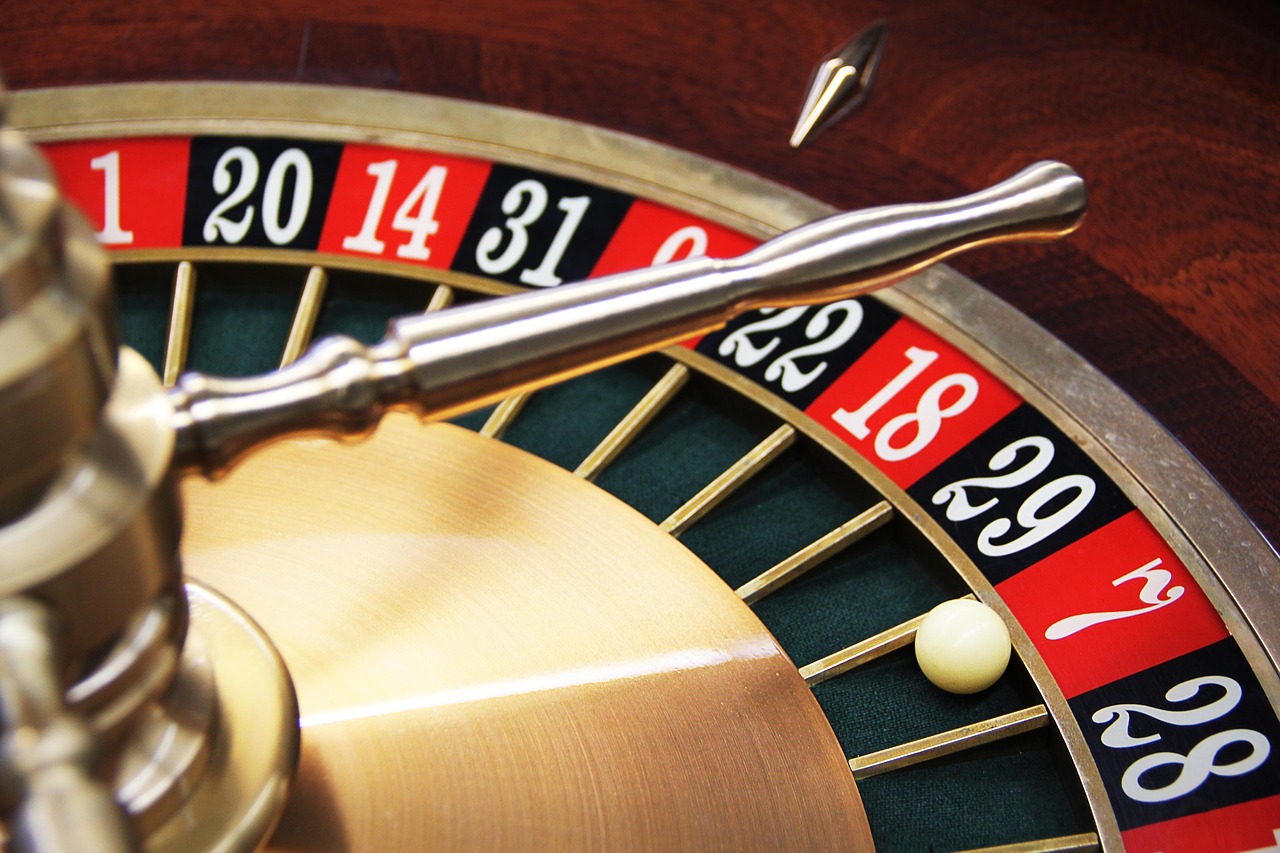
- European Roulette: 2.7% house edge — one zero instead of two
- American Roulette: 5.26% — the double zero is a silent killer
- Online Slots: 2% to 10% depending on the game, with jackpot slots often at the higher end
That gap between 0.5% and 10% is enormous over hundreds of spins. Drop €1,000 into a slot with a 10% edge and you're mathematically expected to lose €100 per cycle. The same money on blackjack with a 0.5% edge loses just €5. Over dozens of sessions, this difference compounds brutally.
The lesson? If you're playing purely for entertainment, play whatever you enjoy. But if your goal is to last longer, stretch your bankroll, and give yourself a real chance of finishing ahead, gravitate toward low-edge games. A detailed guide is available at สล็อตเว็บตรง.
Bankroll Management: Where Most Players Blow It
I've watched friends deposit €200 on a Friday, bet €5 a spin, and be broke by Saturday afternoon. Then they blame the slot for 'eating' their money. The slot didn't eat anything — the bet sizing did.
A workable bankroll rule is to never bet more than 1–2% of your total session bankroll on a single spin or hand. With €500, that means €5–10 maximum per bet. This gives you at least 50–100 betting units, which is enough to absorb natural variance without wiping out on a cold streak.
- Set a session budget before you log in. Not after. Not 'I'll see how it goes.'
- Divide your bankroll into sessions. A €600 monthly budget becomes four €150 weekly sessions, or six €100 sessions.
- Set a loss limit and a win limit. If you told yourself you'd stop at €200 up, stop at €200 up.
- Never chase losses. That 'one more spin' after a bad run is how a bad session becomes a disaster.
Discipline isn't sexy. It doesn't make for great casino stories. But it's the single most reliable predictor of whether you'll still be enjoying iGaming in a year or burning out in two months.
Slots: What Those Pretty Numbers Actually Mean
Walk into any online casino and you'll find slots blasting '96.5% RTP!' like it's a badge of honour. Here's what that actually means: for every €100 wagered on that game, €96.50 is returned to players over time — and €3.50 goes to the house. RTP is a long-term average, not a per-session promise. You can absolutely lose €200 on a 97% RTP slot.
More importantly, RTP ignores volatility. Two slots can have identical RTP but feel completely different:
- Low volatility: Frequent small wins, steady bankroll movement. Good for longer sessions on a tight budget.
- Medium volatility: Balanced swings. The sweet spot for most players.
- High volatility: Long dry spells punctuated by rare massive wins. Brutal on small bankrolls, thrilling for those who can afford it.
That €2 spin slot with 50,000x max win potential? That's almost certainly high volatility. It might pay out huge, but you could easily burn through €300 without a single meaningful hit. Know what you're playing before you commit.
Poker Is a Different Beast Entirely
Here's where serious iGaming players separate from casual bettors. Poker isn't you against the house — it's you against other players, minus a small rake. That changes everything.
In poker, the house edge is fixed and small. The variable is your skill relative to the table. Against weak opponents, a competent player holds a genuine long-term edge. This is why poker remains the only casino-related game where consistently profitable players exist outside of the operator.
But it requires actual work. Position awareness, pot odds, range reading, bankroll management across stakes — these aren't optional extras, they're the foundation. A beginner who jumps into a €5/€10 no-limit game after watching a few YouTube videos is donating money, plain and simple.
Start at micro-stakes (€0.01/€0.02), play tens of thousands of hands, track your results in software like a PokerTracker equivalent, and move up only when you're consistently profitable across at least 20,000 hands. If that sounds like too much effort, poker isn't your game.
Sports Betting: Line Value Beats Tips Every Time
Everyone has a friend who 'knows football.' That friend almost certainly loses money betting on it. Why? Because picking winners isn't enough — you need to find value against the odds.
A 65% strike rate sounds impressive until you realise you've been backing favourites at 1.25 odds. Drop three of those in a row and you're down 25% of your stake despite the 'sharp' record. Value bettors understand that a 35% win rate on 4.0 odds is far more profitable than a 70% win rate on 1.4 odds.
Two practical tips that separate recreational bettors from sharper ones:
- Shop for the best odds. The difference between 1.90 and 2.05 on the same bet is 7.9% in implied value. Over 500 bets, that's serious money.
- Track everything. Spreadsheet by date, sport, market, and odds. Anyone who doesn't track can't actually tell whether they're winning or just remembering the wins.
The Mindset That Actually Wins Long-Term
The casino industry wants you to believe that the next spin, the next hand, the next bet is the one that changes everything. And it might be — but the maths says it probably isn't. The players who survive and thrive aren't the lucky ones. They're the ones who respect the numbers, treat their bankroll with discipline, and understand that iGaming is entertainment first, opportunity second, and never a reliable income plan.
Play the games you enjoy. Bet what you can genuinely afford to lose. Learn the edge you're up against and choose games where that edge is at least slightly in your favour. Do those three things and you'll outlast the vast majority of players who think the next spin is destiny. It never is.


Breathing routines, pre-concert warm-ups and mental strategies that help small ensembles perform with confidence and communicate clearly from the first downbeat.
Why slowing down reveals tuning issues, how to use drones and intervals, and ways to build reliable intonation without losing musical momentum in rehearsals.
What players should listen for during sound checks, from reverberation time to seating layout, and how to adapt balance for intimate village halls and historic rooms.
Key steps for organising local concerts, including venue booking, volunteer coordination, artistic programming and audience outreach that builds lasting support.