
Making a Live Chamber Music Recording
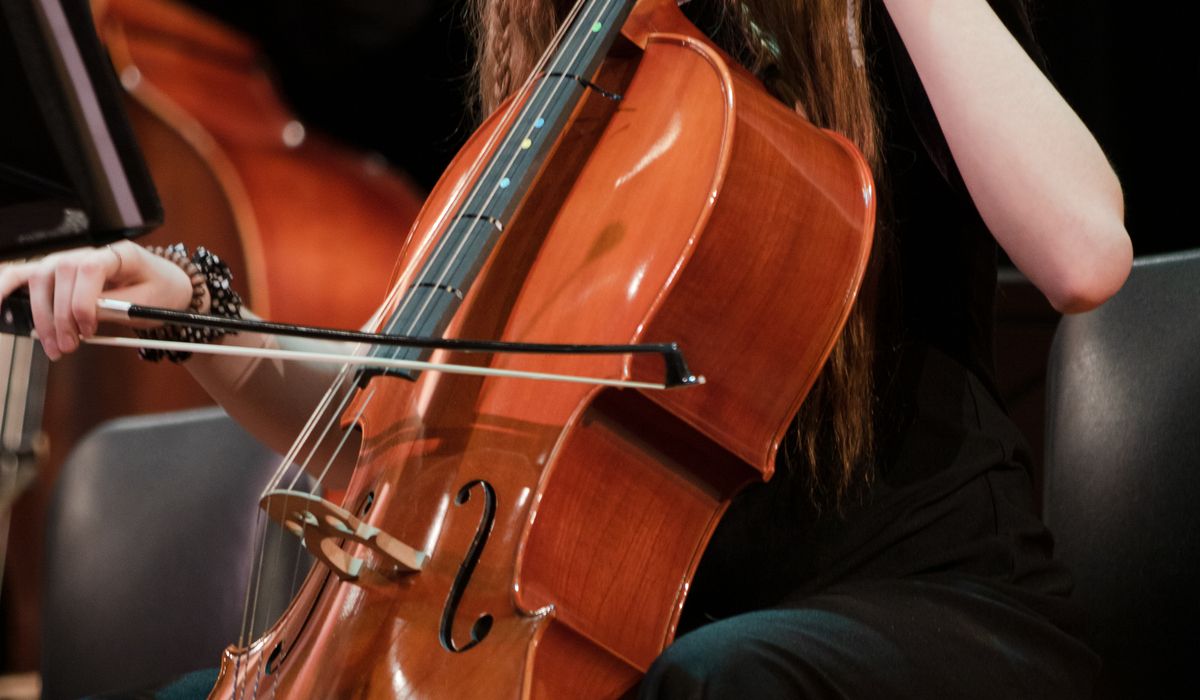
A live chamber music recording is a different creature from a studio session. Nobody is going to punch in bar 47 sixteen times, and nobody should want them to. What you are making is a document: a truthful account of how the group sounded on a particular afternoon, in a particular room. That is a perfectly achievable goal with two good microphones and a bit of forethought.
Decide what honesty means for you
Before you touch a microphone, agree on the brief. There is a wide gap between "a full concert, warts and all" and "the cleanest version we can present". Both are legitimate, but they lead to different sessions.
- Live concert capture: one chance, audience noise included, no repairs. Wonderful atmosphere, zero safety net.
- Session recording: empty hall, multiple takes, edits between the best ones. Still honest, but tidier.
- Hybrid: record the concert, then book an hour the next morning to patch the two or three passages that went awry.
Most ensembles I have worked with end up in the hybrid camp, and it is a sensible place to be. Decide in advance how much patching you are willing to do, because endless repairs can flatten the very character you are trying to preserve.
Prepare the ensemble, not just the microphones
Recording rewards rehearsal discipline. In a concert, a slightly untidy entry passes by in a blur; on a recording it is there for ever, and the ear returns to it. Spend at least one rehearsal treating every piece as if it were being recorded.
- Settle tuning before every take. Strings drift, and woodwind tuning shifts as the room warms up. Tune to a single reference and stick to it.
- Fix the seating. Mark positions on the floor with tape. Consistent seating means consistent balance, which means fewer decisions later.
- Rehearse endings. Final chords are where recordings fall apart — tuning, blend and timing all matter more in the last four bars than anywhere else.
- Plan your stamina. Play for forty minutes, rest for fifteen. Tired ensembles play flat and ragged, and no edit can disguise it.
- Annotate the scores. Note bar numbers, and agree in advance which repeats or ornaments you are using.
Microphone placement for small forces
You need less equipment than you think. A single well-placed stereo pair will capture a string quartet, a wind quintet or a piano trio convincingly, provided the room behaves.
Start with a coincident or near-coincident pair — ORTF is the reliable default, with the capsules about 17 centimetres apart and angled at roughly 110 degrees. Place it 2 to 2.5 metres from the ensemble, at a height of about 1.8 to 2.2 metres, angled slightly down towards the players. That height avoids pointing straight at the backs of music stands and gives a natural sense of the players sitting rather than standing.
A useful rule of thumb: the distance from the microphones to the group should be roughly equal to the group's own width. A string quartet two metres wide wants the pair about two metres away. Move closer and you gain detail but lose blend; move further back and you gain the room but lose definition.
Listen on headphones as you adjust. Move the pair in 20-centimetre steps and note what changes. Symmetry matters — if the cello is booming and the violin is thin, shift the whole array rather than reaching for the EQ.
Spot microphones, used sparingly
Spot mics are insurance, not decoration. Add them only where the main pair genuinely fails to convey the balance.
- Piano: a spaced pair over the strings, roughly 30 to 40 centimetres above, with the lid on the short stick. Avoid pointing at the hammers.
- Cello or double bass: one microphone at 40 to 60 centimetres, aimed between the bridge and the f-hole, never close in.
- Woodwind or voice: a single microphone at 50 to 70 centimetres, slightly above the instrument and off-axis.
Keep every spot microphone at least three times further from the main pair than it is from its instrument, or you will introduce phase problems that no amount of mixing can undo. In the mix, use them at low level — just enough to restore clarity, perhaps 8 to 12 dB below the main pair.
The room and the practicalities
Switch off the heating, the fridge in the corridor and anything with a fluorescent ballast. A church hall at 2am is quieter than the same hall at 4pm, and it sounds quieter too. Put phones on airplane mode; a single buzz can ruin a take.
Ask the players to remove rustling jewellery. Provide water. Bring spare cables, gaffer tape, a torch and far more storage than you think you need — chamber music sessions generate a surprising quantity of audio.
Editing: repair, don't rebuild
Log your takes as you go, with timecodes and bar numbers. Editing is far quicker with a take sheet than with an afternoon of listening back.
When you edit, make crossfades of 40 to 80 milliseconds at musically sensible points — the middle of a sustained note, or a rest. Never edit in the middle of an attack. Keep edits within the same take wherever possible, because the room's sound and the players' energy shift subtly between takes.
Correct tuning only where it is egregious, and pitch-shift whole notes rather than individual moments. Above all, resist the urge to smooth away every breath, every bow change and every audible shift. Those details are the performance. Keep a little room tone recorded in silence, and use it to cover gaps rather than dropping in digital black.
Finish gently: a touch of high-pass filtering, a small amount of bus compression at a slow attack, and a single short reverb to bind the picture together. Then listen on speakers, in a car, on laptop drivers. If it still sounds like your ensemble in that room, you have made the record you set out to make.


A tour of charming quintets beyond the standard canon, with listening notes and rehearsal tips for ensembles looking to refresh their programmes.
When a few spoken words can enhance a concert, how to prepare introductions that are concise, informative and suited to the venue and repertoire.
Balancing rhythmic precision with musical flexibility, plus exercises that help groups internalise pulse without becoming mechanical during performance.
Practical considerations for performing in churches, including heating, lighting, seating, refreshments and respectful use of historic buildings and community spaces.